


Where Immigrants Build Their Lives in the United States

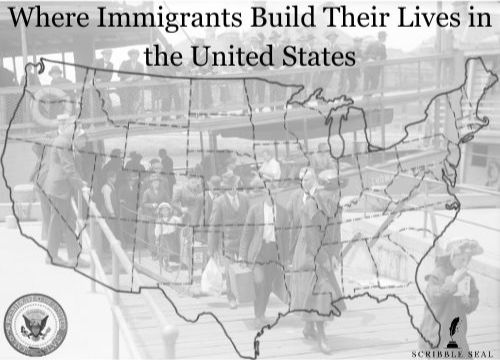
Immigration is not just about moving from one country to another. It is about creating a home in a new land while maintaining connections to the country left behind. Across the United States, from the bustling streets of Miami to the vibrant neighborhoods of New York, immigrants from all over the world are building their lives, blending cultures, and forming communities that reflect both past and present.
States like California, Texas, Florida, and New York have become hubs for immigrant families. These regions offer a mix of opportunity, infrastructure, and existing communities that make settling easier. Immigrants often choose to move where relatives or friends already live, creating neighborhoods rich in shared language, culture, and support.
Why these states attract immigrants
The reasons vary, but patterns are clear. In California, cities like Los Angeles and San Francisco are magnets for families from Mexico, the Philippines, China, and other countries. In Texas, Houston and Dallas host large communities from India, Vietnam, and Latin America. New York City has long been a global crossroads, with residents from practically every nation in the world. And Florida, particularly Miami, Orlando, and Tampa, has attracted families from Mexico, Brazil, Portugal, and Colombia, among many others.
Florida, with its warm climate, job opportunities, and cultural diversity, is especially appealing. In Miami, for example, it is common to walk down streets where Spanish and Portuguese are spoken alongside English. Restaurants, bakeries, and shops reflect Latin American and European cultures, creating a home away from home for many families. Orlando has seen growth in Brazilian and Portuguese communities, while Tampa and Fort Lauderdale host a mix of Caribbean and Latin American residents.
These states are more than just destinations—they are environments where immigrants can rebuild their lives, find opportunities, and create supportive networks for their families.
Life in two worlds
Living in the United States while maintaining ties to one’s home country often means navigating responsibilities in both places. For many immigrant families, this includes:
Registering a child born in the U.S. in their home country
Ensuring marriages are legally recognized internationally
Using U.S. diplomas or professional degrees abroad
Authorizing family members to manage property or legal matters overseas
To make these processes possible, families rely on certified documents—official paperwork validated for international use. In many countries, these certified documents are referred to as an Apostille, but the principle remains the same: verification that a U.S. document is authentic and legally recognized abroad.
Common examples of certified documents
Birth Certificates: A child born in Miami may need a certified birth certificate to register for dual citizenship in Brazil, Mexico, Portugal, or Colombia. This ensures access to passports, healthcare, and education abroad.
Marriage Certificates: Couples marrying in Orlando often need their certificates certified for recognition in their home countries, which can be essential for residency applications, legal rights, or inheritance matters.
Diplomas and University Degrees: Graduates from Florida institutions may require certified diplomas to continue studies or work in countries such as Portugal or Brazil. Certification ensures the degree is recognized professionally and academically.
Powers of Attorney and Legal Documents: Families often authorize relatives overseas to manage property, finances, or other legal responsibilities. Certified documents ensure that these authorizations are valid and recognized internationally.
These documents may seem like minor details, but they are vital for immigrant families trying to maintain continuity between their U.S. lives and their connections abroad.
Stories from everyday life
In Miami, a family may celebrate the birth of a child in the hospital, then start the process of certifying the birth certificate so it can be used in Brazil. In Orlando, newlyweds might spend weeks ensuring their marriage certificate is certified before registering it in Mexico. A graduate in Tampa may rely on a certified diploma to apply for a professional license in Portugal, while another family in Fort Lauderdale may authorize a relative in Colombia to manage property using certified legal documents.
These examples illustrate the quiet, practical side of immigrant life: small but essential steps that allow families to live fully in both countries, bridging the gap between past and present.
The importance of community and support
Beyond paperwork, immigrant families thrive in communities where they find cultural familiarity, language support, and networks that help navigate life in a new country. In Florida, neighborhoods with large immigrant populations provide access to schools, religious institutions, grocery stores, and healthcare providers familiar with their culture. These communities are not just locations—they are lifelines that help families feel at home while still honoring their heritage.
Certified documents are part of this lifeline. They make possible what families need to do: register important life events, pursue educational opportunities, conduct legal matters, and maintain a sense of stability across borders.
Conclusion
Where immigrants build their lives in the United States is a story of resilience, opportunity, and connection. In states like Florida, California, Texas, and New York, families arrive, settle, and weave their traditions into the local fabric. Amid these vibrant communities, certified documents—or Apostilles—play a quiet but crucial role. They ensure that the milestones of life—births, marriages, education, and legal responsibilities—are recognized internationally, allowing families to thrive in both their American home and their country of origin.
Immigrant life is about more than relocation—it is about creating continuity across borders, and these documents help make that continuity possible.



Comments